How to Compare Included Items, Warranty Periods, and Free Gifts Across Official Retailers by Country
A lower price or a larger promotional bundle in another country does not always create a better deal. International retail offers can differ in package contents, warranty coverage, regional compatibility, promotion rules, taxes, delivery expenses, and access to after-sales service. An offer that looks attractive on the product page may become less valuable once these additional factors are taken into account.
The most reliable way to assess country-specific deals is to focus on the benefits that will remain useful after the purchase. Buyers need to establish whether the products are genuinely equivalent, whether all advertised incentives apply to their order, and whether warranty support will be available where they live.
The objective is not to find the package with the longest list of accessories. It is to identify the option that provides the strongest practical value throughout the period of ownership.
Begin With the Manufacturer’s Official Sales Network
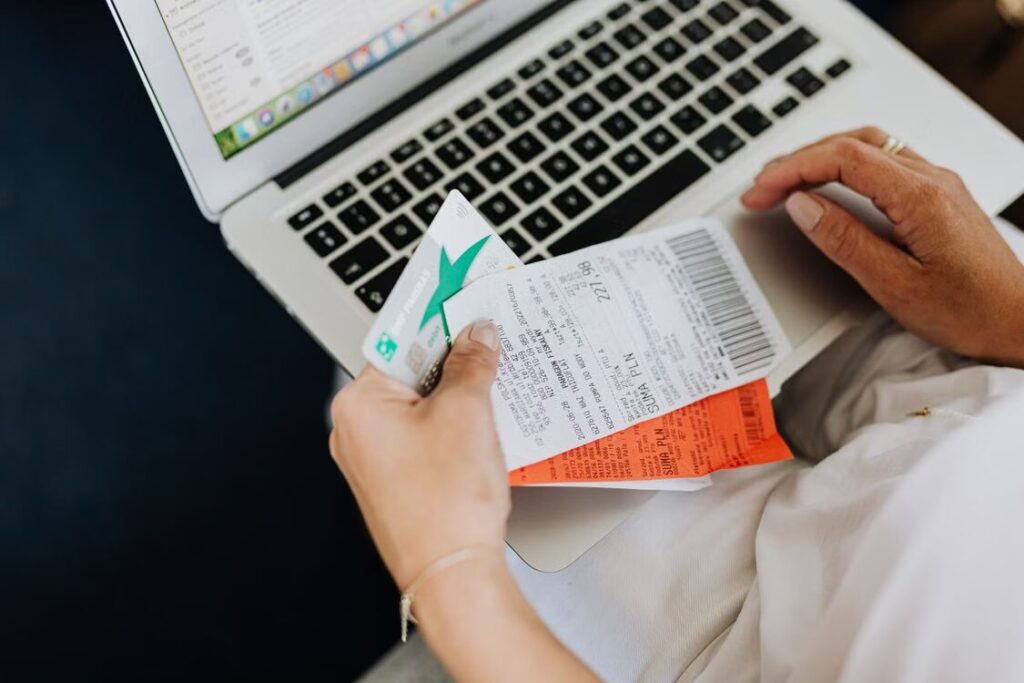
Before comparing prices or promotional bundles, identify whether the retailer is part of the manufacturer’s official sales network.
Start with the brand’s official website for the country where you plan to buy. Most manufacturers list their own online stores as well as authorized retailers and distributors. Using these sources helps distinguish official sales channels from independent sellers.
A brand-operated store, an authorized retailer, and a marketplace merchant may all sell genuine products, but they often provide different benefits. Launch promotions, bundled accessories, trade-in programs, warranty coverage, and after-sales support can vary depending on who supplies the product.
Labels such as “Official Store” or “Authorized Seller” on a marketplace should not be taken at face value. Check whether the seller also appears on the manufacturer’s official retailer list. This simple step helps avoid confusion between officially distributed products and parallel imports.
Parallel-import products are authentic, but they are sold outside the brand’s intended distribution channel. Because of this, they may not qualify for local promotions, extended warranty programs, or repairs through authorized service centers. Some sellers replace the manufacturer’s warranty with their own store warranty, which may require shipping the product back to the original seller if service is needed.
Before completing your purchase, keep a copy of the product page showing the seller’s name, model number, package details, warranty information, and promotional terms. These records can be valuable if you later need to claim a gift, request a refund, or resolve a warranty issue.
Regional Packages May Contain Different Items
Two products with the same name do not always include the same accessories. Manufacturers often release different package SKUs for different markets, so the retail box can vary even when the device itself is identical.
Charging accessories are one of the most common differences. Some countries include both a power adapter and cable, while others provide only the cable. Plug types, voltage standards, and charging specifications may also differ, affecting convenience and adding replacement costs after purchase.
Other included items—such as protective cases, styluses, earbuds, printed manuals, software licenses, or installation kits—may also change depending on the region. For this reason, check the package SKU alongside the official box contents rather than relying only on the product name.
It is equally important to know whether an accessory comes sealed inside the manufacturer’s box or is added later by the retailer. Seller-added items may follow different warranty, replacement, or return policies.

Warranty Length Is Only Useful Where Service Is Available
A longer warranty offers little benefit if repairs are not available where the product will actually be used.
Warranty terms often differ by country. One market may receive one year of coverage, while another offers two years because of local regulations or regional sales policies. More importantly, local warranty and international warranty are not the same. A product purchased overseas may qualify only for paid repairs in your country, even if it is still under warranty.
Before buying, check the manufacturer’s warranty policy for the exact model number rather than relying on general claims such as “global warranty.” Some brands provide international support for certain product categories while restricting others to their original sales region.
If you are purchasing abroad, ask the manufacturer whether that exact model, bought from that specific retailer, can be repaired at an authorized service center in your country. Request the answer in writing whenever possible.
Also review when the warranty begins, whether product registration is required, and whether components such as batteries, displays, or accessories have shorter coverage than the main device. If repairs must be handled overseas, include shipping costs, customs procedures, and potential delays when assessing the overall value of the purchase.
Free Gifts Should Be Judged by Their Usable Value
Promotional gifts can make one offer look more attractive, but their value depends on the conditions for receiving and using them.
Many promotions are limited by country, purchase period, stock availability, participating retailers, payment methods, or pre-order eligibility. Some also require buyers to register the product, upload proof of purchase, or submit a claim before a deadline. Missing any requirement may result in losing the gift.
It is also worth checking when the promotional item will be delivered. Some gifts arrive with the product, while others are shipped weeks later. Return policies matter as well, since certain retailers require all complimentary items to be returned if the main product is refunded.
The advertised retail value should not be confused with practical value. A free accessory has little benefit if you already own one or cannot use it in your region. On the other hand, a charger, protective case, storage upgrade, or extended warranty that you would otherwise purchase may provide much greater savings.
If resale value is important, remember that promotional items often sell for less than their suggested retail price, especially when many buyers receive the same gift during a launch campaign.
The Full Ownership Cost Matters More Than the Advertised Price
Country-level pricing should be assessed using the complete amount required to purchase, receive, use, return, and maintain the product.
The product price is only the starting point. A realistic estimate should include currency conversion, card fees, shipping, insurance, import duties, local taxes, customs charges, required accessories, return expenses, and possible repair costs.
Search-engine currency conversions rarely show the amount that will appear on a card statement. Banks and payment services may apply their own exchange rates, foreign-transaction fees, or conversion markups. A small overseas discount can disappear after these charges are added.
Shipping costs depend on package size, weight, destination, insurance, and transport restrictions. Products containing lithium batteries may have limited delivery options, while large appliances can generate substantial freight charges.
Import taxes and customs fees also vary by product category and destination country. In some cases, tax is collected during checkout. In others, the customer must pay the carrier or customs authority before delivery.
Required accessories should be included in the estimate. If the overseas package lacks a charger, compatible cable, plug, installation kit, or local-language software license, the cost of obtaining an equivalent setup belongs in the final calculation.
Return expenses are equally important. An international retailer may accept returns while requiring the buyer to pay for insured overseas shipping. The customer may also face customs forms, long processing periods, and uncertainty over whether the original import taxes will be refunded.
A practical formula is:
Effective ownership cost = product price + currency fees + shipping + insurance + taxes and customs charges + required accessories + expected support expenses − realistic value of useful gifts
Only gifts that the buyer is eligible to receive and likely to use should reduce the total. Promotional items with uncertain availability, difficult claim procedures, or little personal value should not be counted at their full advertised price.
An overseas offer may be worthwhile when the regional model is fully suitable, the seller belongs to the official network, the promotional benefits are accessible, and the final saving remains meaningful after every expense has been included.
A local offer is often stronger when the difference in price is modest, the device is costly to repair, regional specifications affect usability, or overseas warranty service requires sending the item back abroad.
Straightforward returns, local consumer protection, familiar payment methods, and access to authorized service can provide more lasting value than a large bundle of accessories.
Before checkout, keep a record of the exact model number, package SKU, seller identity, box contents, promotion terms, claim deadline, written warranty information, landed cost, and expected return procedure.
The strongest deal is the one whose advantages remain available after delivery. When savings depend on an uncertain gift, an unsupported regional model, or overlooked service expenses, the cheaper listing may become the more expensive purchase.